Switzerland has a reputation for being one of the most expensive countries in the world to visit. After spending eight days exploring Zurich, Thun, and Grindelwald, we can confirm that reputation is well deserved.
Hotels cost more. Transportation costs more. Restaurants definitely cost more.
But despite the high prices, Switzerland ended up being one of our favorite destinations ever. We discovered that while some expenses are unavoidable, there are plenty of ways to cut costs without sacrificing the experiences that make Switzerland special.
If you’re planning a trip to Switzerland and trying to keep costs under control, here are a few things that helped us.
Switzerland
Switzerland
Switzerland
Buy Food from Grocery Stores
This was probably our biggest money-saving strategy.
Restaurant meals in Switzerland can be shockingly expensive, especially if you’re coming from the United States or many other parts of Europe. It’s not unusual to spend the equivalent of $25-50 per person for a fairly casual meal.
Instead of eating every meal at restaurants, we stopped regularly at grocery stores and got food for simple breakfasts, lunches, and snacks.
The two grocery chains you’ll see everywhere are Coop and Migros. Both are clean, easy to navigate, and well-stocked with ready-to-eat options.
We found fresh bread, sandwiches, fruit, yogurt, snacks, drinks, and of course, plenty of Swiss chocolate and cheese.
Some of our favorite meals were simple picnic lunches with fresh bread, local cheese, and chocolate enjoyed with mountain views. Not only was it significantly cheaper than eating at a restaurant, but it also felt like a more authentic part of the experience.
And if we’re being honest, the foods Switzerland is most famous for—chocolate and cheese—are easy to find in grocery stores for a fraction of what you’ll pay in tourist shops.
If you’re looking to stretch your budget, a grocery store should be one of your first stops after arriving.
Consider a Swiss Travel Pass or Half Fare Card
Transportation is another area where costs can add up quickly.
One of the best things about Switzerland is its transportation network. Trains are incredibly efficient, stations are easy to navigate, and it’s possible to reach even small mountain villages without renting a car. The downside is that tickets aren’t cheap.
Before your trip, it’s worth taking some time to compare the Swiss Travel Pass and the Swiss Half Fare Card.
The Swiss Travel Pass offers unlimited travel on many trains, buses, and boats for a set number of days. Depending on your itinerary, it can be a great value and removes the hassle of buying individual tickets.
The Half Fare Card works differently. Instead of unlimited travel, it gives you discounted fares on most trains, buses, boats, and many mountain transportation systems (including cable cars, which notably are largely uncovered by the Swiss Travel Pass).
Which option is better depends entirely on your trip. If you’re moving between multiple cities and taking trains almost every day, the Swiss Travel Pass may make sense. If you’re planning for a shorter trip or traveling around less, but still planning to take several trains or cable cars, the Half Fare Card could save you more money.
There are also regional travel pass options (like the Jungfrau Travel Pass or the Matterhorn Gotthard Pass) if you’re planning to spend most of your time in one region, and many hotels give you a guest card for free local bus and tram rides.
Before purchasing one of these passes, make a rough list of the transportation you expect to use and compare the costs (most train ticket prices can be found on the SBB website). A little planning can easily save you a substantial amount.
Don’t Forget About Cable Cars and Mountain Railways
One thing that surprised us was how quickly mountain transportation costs can add up.
Places like Grindelwald offer incredible access to the Alps, but many of the most popular viewpoints require cable cars, gondolas, or mountain railways.
The scenery is absolutely worth it, but it’s important to factor those costs into your budget ahead of time.
This is another reason to carefully evaluate the Swiss Travel Pass and Half Fare Card before your trip. Depending on where you’re going, discounts on mountain transportation can make a meaningful difference.
It’s also worth looking for ways to combine paid transportation with hiking. While we were staying in Grindelwald, we purchased a one-way ticket for the Grindelwald-First gondola and spent the day hiking back down the mountain. Along the way, we passed Lake Bachalpsee, enjoyed incredible views of the surrounding peaks, and saw surprisingly few other people on the trail.
Not only did it save us from buying a round-trip gondola ticket, but it ended up being one of our favorite days in Switzerland.
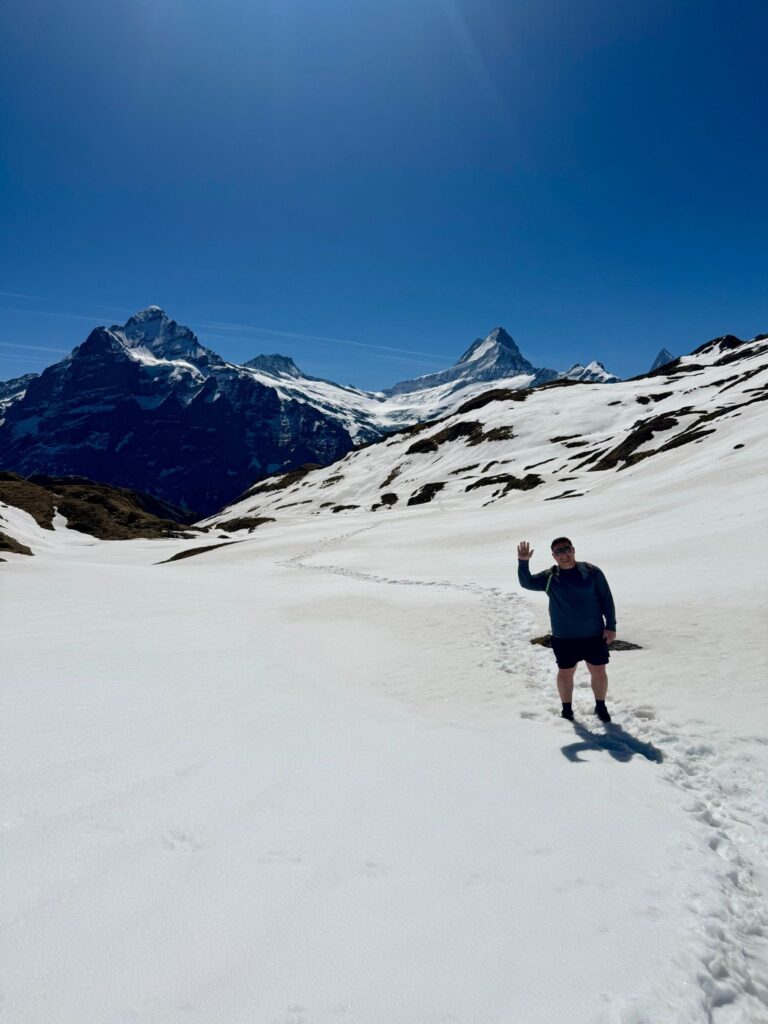
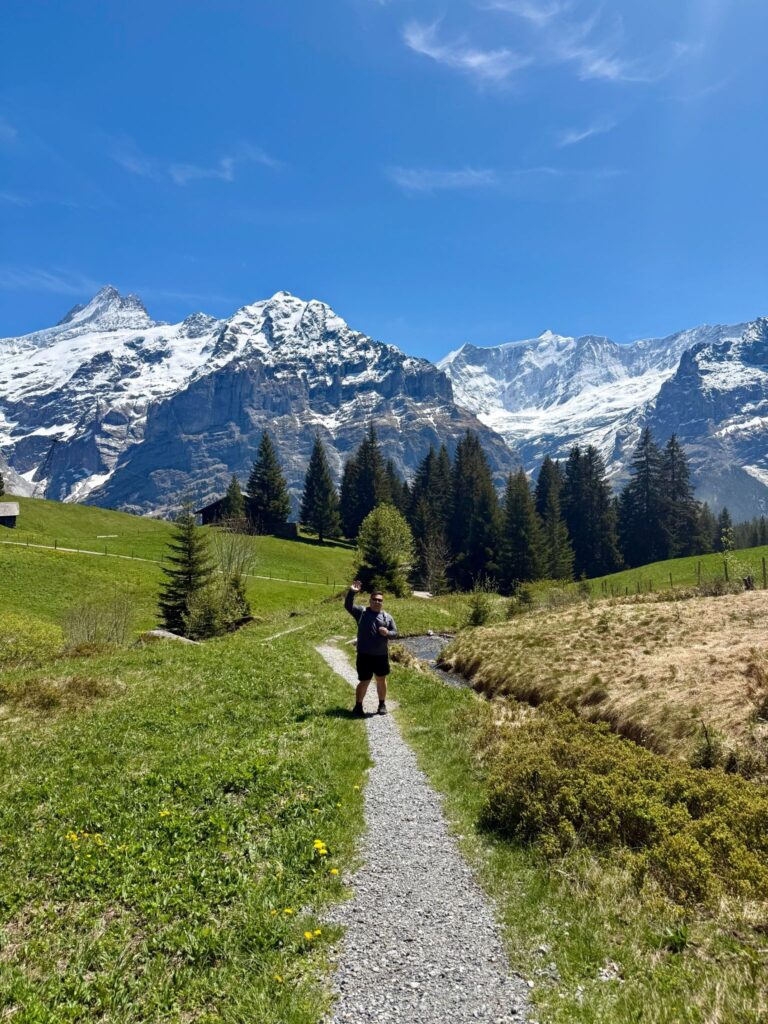
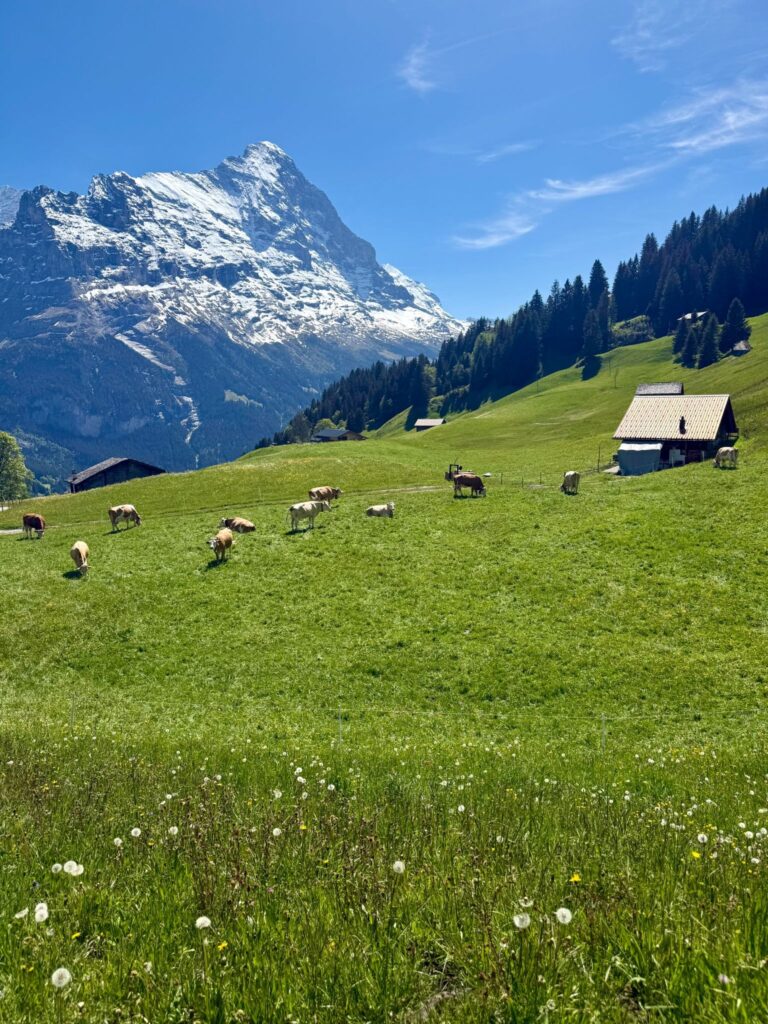
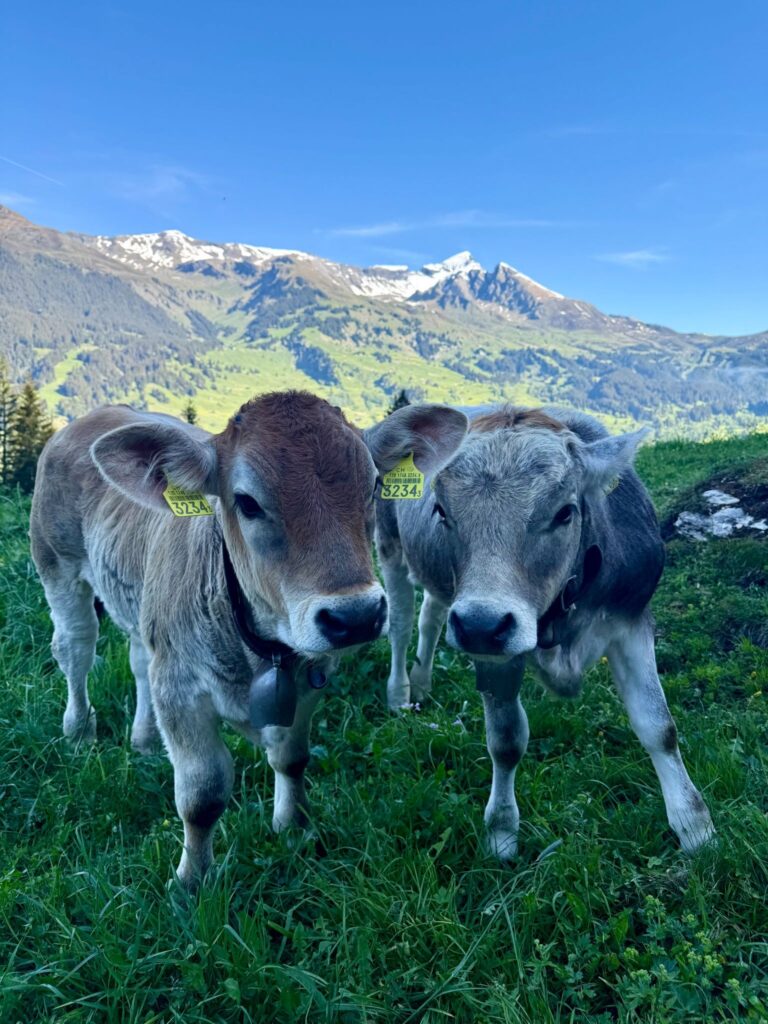
Photos from our hike between First and Bort. At the top of the mountain, the trail was covered by snow, and near the bottom, we were walking past beautiful green meadows full of cows.
Stay Outside the Most Popular Tourist Areas
Switzerland’s smaller towns can be significantly cheaper than its biggest tourist hotspots.
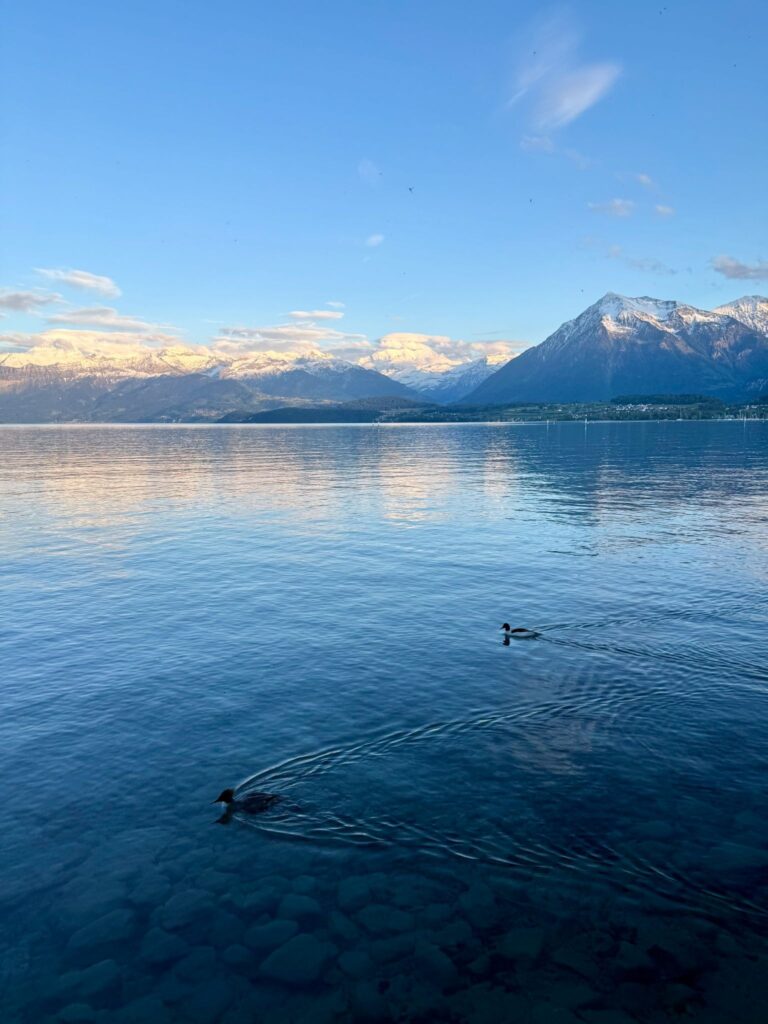
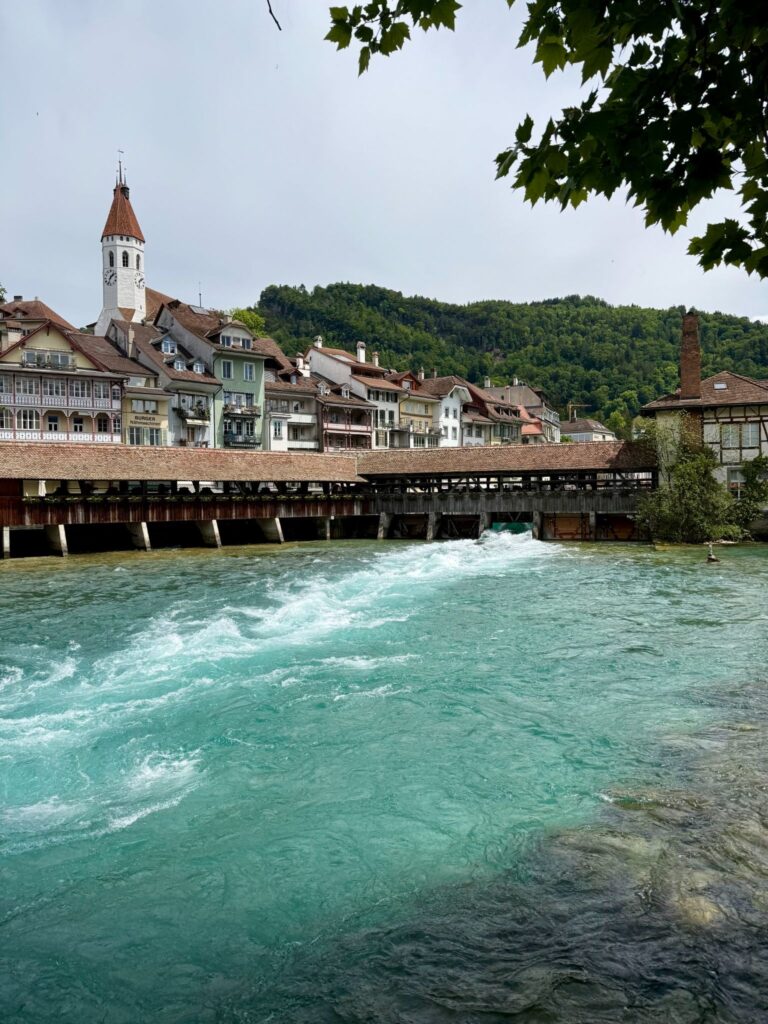
We loved staying in Thun, for example. It is a picturesque town (known for Thun castle, Lake Thun, and the River Aare where locals surf next to wooden bridges) that provides easy access to other destinations while offering a more relaxed atmosphere and, in many cases, better value than some of the larger tourist centers.
Switzerland’s rail network makes it easy to stay somewhere slightly less expensive and still visit popular destinations during the day.
Sometimes moving just one train stop away from the center of a major tourist area can save a surprising amount on accommodations.
Take Advantage of Free Scenery
One of the best things about Switzerland is that some of the country’s biggest highlights don’t cost anything at all.
The mountains, lakes, waterfalls, and hiking trails are often the main reason people visit, and many of them can be enjoyed for free.
Some of our favorite memories were simply walking along Lake Zurich, exploring Thun’s old town, watching the sunset over the water, or taking in the mountain views around Grindelwald.
It’s easy to fall into the trap of thinking every day needs a ticketed activity, but sometimes the best plan is simply to go for a walk and enjoy the scenery.
Be Prepared Before You Go
A little preparation before your trip can save both money and frustration once you arrive in Switzerland.
Weather can change quickly, particularly in mountain regions. Even during summer, temperatures can vary significantly between cities and higher elevations. Bringing a lightweight jacket and dressing in layers can help you avoid expensive last-minute purchases and keep you comfortable throughout your trip.
Another detail that’s easy to overlook is Switzerland’s electrical outlets. While some European adapters work, not all fit properly into Swiss outlets because the receptacles are often slightly recessed. If you’re purchasing an adapter specifically for your trip, we recommend bringing a universal adapter with longer prongs (this one worked for us) or a Switzerland-specific adapter.
These may seem like small details, but taking care of them before you leave can help you avoid unnecessary expenses and inconveniences once you’re there.
Final Thoughts
Switzerland is expensive. There’s really no way around that.
But after spending 8 days exploring Zurich, Thun, and Grindelwald, we came away feeling that the country was much more budget-friendly than we expected, as long as you’re intentional about where your money goes.
Buying food from grocery stores, choosing the right transportation pass, staying flexible with accommodations, and taking advantage of Switzerland’s incredible natural scenery can dramatically reduce your costs without reducing your experience.
At the end of the day, the things we’ll remember most aren’t the expensive meals or paid attractions. They’re the mountain views, train rides through the Alps, lakeside walks, and simple picnics with Swiss cheese and chocolate.
And fortunately, those memories don’t have to cost a fortune.
Great content! Keep up the good work!